Your Cart
There are currently no items in your cart.
There are currently no items in your cart.

Hand-Cleaners.co.uk is a specialist supplier of commercial hand cleaner, hand sanitizer gel and hand soap dispensers and are authorised distributors for GOJO, PURELL, and Deb Stoko across the UK

It is now common knowledge that Gojo Industries (the manufactures of Gojo & Purell products) have gone into administration, and have withdrawn from the UK/European market.
Unfortunately, there is no stock of refill cartridges available to purchase, as a result, you will need to consider changing over to one of our other dispensing systems.
Please telephone 01384 671505 to discuss this further with one of our helpful sales team.
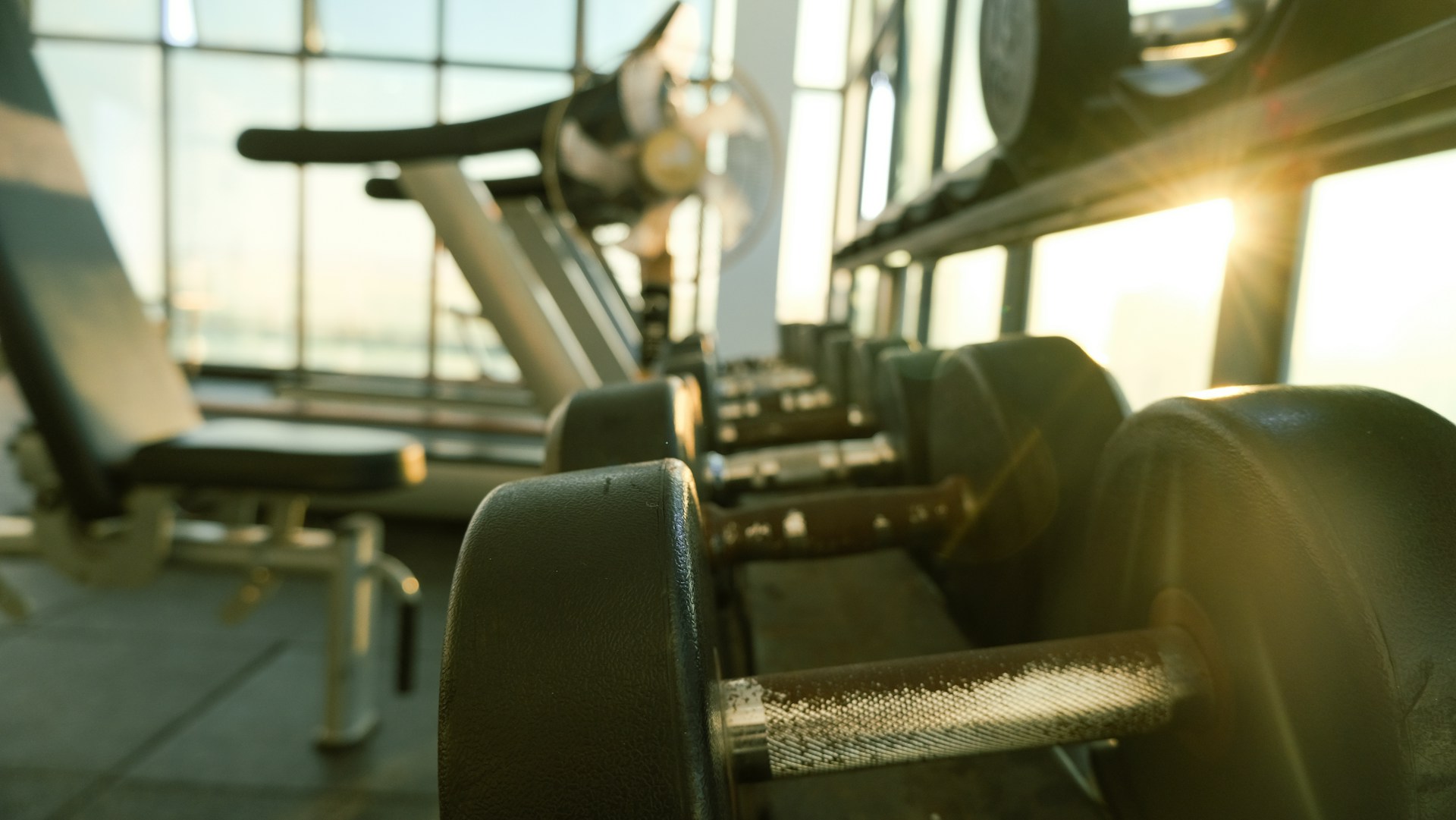
Gyms and fitness centres are busy environments where large numbers of people regularly share equipment, changing facilities, and communal spaces. Sweat, frequent hand contact, and high footfall can all contribute to the spread of bacteria and viruses if cleaning routines are inconsistent.
A good hygiene protocol should therefore cover more than occasional surface cleaning. It should set out what needs cleaning, how often it should be done, which products should be used and who is responsible for completing each task. When these routines are clearly defined, it becomes much easier for staff to maintain a clean and comfortable environment throughout the day.
High-touch surfaces usually need the most frequent cleaning because they are handled repeatedly by different people. Examples include dumbbells, barbells, resistance machines, treadmill controls, exercise bike handles, and rowing machine grips.
Door handles, lockers, water fountain controls, reception desks, and payment terminals can also receive hundreds of touches during a busy day.
Cleaning schedules should reflect actual usage. Equipment in a heavily used weights area may need attention several times during the day, while a quieter studio might only require cleaning between classes and at the end of the day.
Gym equipment should usually be cleaned using a product that is suitable for the material being treated and capable of dealing with the types of contamination likely to be present.
Staff should pay particular attention to grips, handles, seats and adjustment controls. These are the areas users are most likely to touch.
Many gyms also provide cleaning sprays or disinfectant wipes so members can wipe equipment before or after use. If these are provided, bins should be positioned nearby and dispensers should be checked regularly so they do not run empty during busy periods.
Cleaning products should also be used according to their instructions. Some disinfectants need to remain on a surface for a short period before being wiped away to work effectively.
Hand hygiene helps reduce the transfer of germs between equipment, changing facilities and other shared surfaces.
Hand sanitiser dispensers can be positioned at practical points such as entrances, reception areas, gym floors, and outside changing rooms. Washrooms should also have reliable supplies of soap and suitable hand drying facilities.
Staff should check dispensers during the day rather than waiting until the next scheduled deep clean. Empty soap or sanitiser dispensers can quickly undermine an otherwise well-managed hygiene routine.
Changing rooms require particular attention because moisture can create conditions where mould, bacteria and unpleasant odours develop more easily.
Floors, benches, lockers, shower controls, and toilet areas should be cleaned routinely, with additional checks during busy periods. Standing water should be removed where practical, while blocked drains or leaking showers should be dealt with quickly.
Cleaning cloths and equipment used in toilets should ideally be kept separate from those used elsewhere in the building. Colour-coded cloths, mops. and buckets can make this easier for cleaning teams to manage.
A written cleaning schedule gives staff a clear routine to follow and reduces the chance of important areas being missed.
Schedules can include the location, cleaning task, frequency and staff member responsible. For example, gym equipment might be checked every few hours, while washrooms could be inspected more frequently during peak periods.
Signed cleaning records can also help managers spot patterns. If a particular washroom repeatedly needs additional attention at lunchtime, the cleaning schedule can be adjusted around actual demand.
Keeping suitable supplies on site helps staff deal with routine cleaning and unexpected incidents without delay.
Common items may include surface disinfectants, hand sanitiser, soap, disposable gloves, paper products, cleaning cloths and appropriate personal protective equipment.
Stock levels should be checked regularly. It is usually easier to reorder supplies before they become critically low than to discover that an essential product has run out during a busy trading period.
Frequently used equipment should generally be checked and cleaned throughout the day. Cleaning frequency should increase during busy periods when more people are using the same equipment.
Many gyms encourage members to wipe down equipment after use. Providing clearly positioned wipes or cleaning sprays can make this easier, although staff should still carry out regular scheduled cleaning.
Useful locations include entrances, reception areas, gym floors, studio entrances and areas near changing rooms. Dispensers should be easy to reach without obstructing walkways.
Changing rooms are often warm and humid, particularly around showers. Regular cleaning and good ventilation can help reduce odours, mould growth and the build-up of bacteria on shared surfaces.
A cleaning schedule should usually identify the area being cleaned, the specific task, how often it should be completed and who is responsible. Recording completed checks can also help managers identify where routines need adjusting.

