Your Cart
There are currently no items in your cart.
There are currently no items in your cart.

Hand-Cleaners.co.uk is a specialist supplier of commercial hand cleaner, hand sanitizer gel and hand soap dispensers and are authorised distributors for GOJO, PURELL, and Deb Stoko across the UK

It is now common knowledge that Gojo Industries (the manufactures of Gojo & Purell products) have gone into administration, and have withdrawn from the UK/European market.
Unfortunately, there is no stock of refill cartridges available to purchase, as a result, you will need to consider changing over to one of our other dispensing systems.
Please telephone 01384 671505 to discuss this further with one of our helpful sales team.
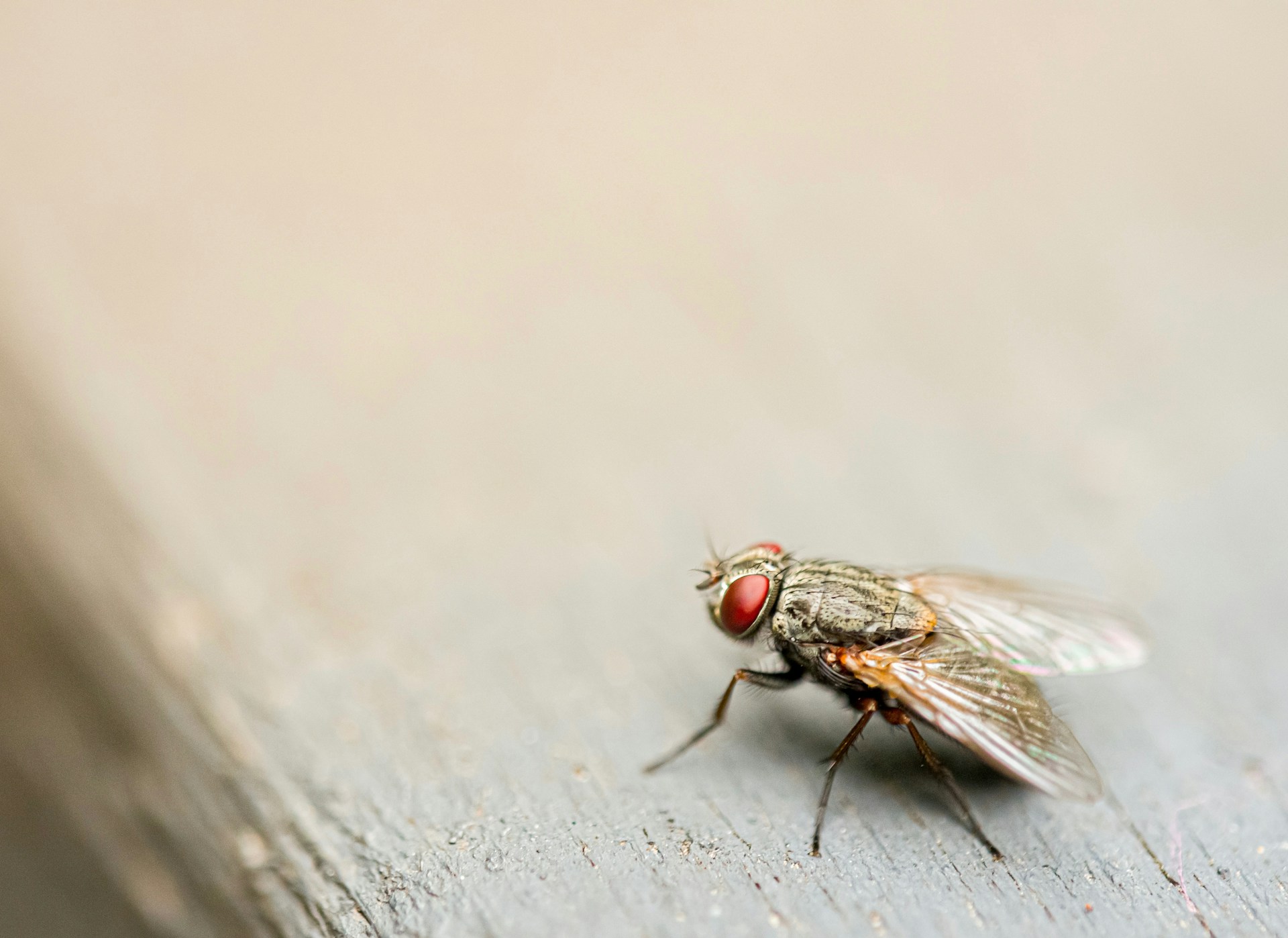
A single fly in a restaurant kitchen can quickly become more than an annoyance. Flies can pick up bacteria from waste, drains and other contaminated surfaces before landing on food or preparation areas.
For food businesses, controlling flying insects therefore forms part of everyday hygiene management. The Food Standards Agency’s guidance for caterers specifically advises businesses to control pests effectively to reduce the risk of insects contaminating food and spreading bacteria.
Electric fly killers can help, but the type of unit and where it is positioned make a significant difference.
Electric grid units use ultraviolet light to attract flying insects towards an electrified grid. When an insect makes contact with the grid, it is killed and generally falls into a collection tray beneath the unit.
They can be useful in areas where rapid control of flying insects is needed. Hand Cleaners stocks a range of electric grid units designed for different environments, including higher-capacity models and water-resistant versions for demanding back-of-house locations.
One important consideration in a food environment is where the unit is positioned. Electric grids can cause fragments of insects to be expelled from the device. British Pest Control Association guidance therefore advises against positioning these units above production lines or food preparation areas where contamination could occur.
Glue board units also use ultraviolet light to attract flies, but the insects are caught on an adhesive board inside the unit.
This means the insect remains attached to the board rather than being destroyed by an electrical grid. For that reason, glue board systems are often considered where there is a greater risk of food, packaging or preparation surfaces being contaminated by insect fragments. BPCA food-industry guidance specifically identifies glue board units as useful where contamination risk is a concern.
Hand Cleaners’ current range includes several glue board units with different power outputs and configurations, including models intended for back-of-house use.
There is no single answer for every premises.
A glue board system may be more appropriate close to food preparation or production areas because insects are retained within the unit. An electric grid model may be suitable in other back-of-house locations where there is little risk of insect fragments reaching food.
The decision should form part of the site’s pest risk assessment. Think about where flies are entering, where uncovered food is handled and where waste is stored.
The size of the area also matters. A small preparation room and a large commercial kitchen will not necessarily need the same number or capacity of units.
Positioning a fly killer directly beside an open external door can be counterproductive because the UV light may attract additional insects towards the building.
Instead, units should generally be positioned where they intercept flies after they enter while remaining away from exposed food.
Goods entrances, waste routes and kitchen access points often deserve particular attention because doors in these locations may regularly be opened. BPCA recommends measures such as self-closing doors, roller doors and suitable barriers to reduce the number of insects entering in the first place.
Ease of maintenance should also be considered. A unit positioned where staff cannot safely reach it is less likely to be cleaned and serviced properly.
Glue boards need checking rather than simply being replaced according to the calendar.
During warmer months, a board near a busy doorway can fill much more quickly. Once much of the adhesive surface is covered, the unit becomes less effective at catching additional insects.
BPCA guidance suggests that higher-risk locations may need more frequent inspections and servicing during periods of increased fly activity.
The insects collected on a glue board can also provide useful information. If catches suddenly increase, staff can investigate whether a door has been left open, waste is accumulating or another source is attracting flies.
No. Fly killers work best as one part of a wider pest-control approach.
Bins should be emptied regularly and kept covered, food spillages should be cleaned promptly and external doors should not be left open unnecessarily. Food should also remain covered where practical.
BPCA describes electric fly control units in food premises as something that should ideally support monitoring and act as a failsafe, while preventing pest entry remains the priority.
When fly activity suddenly increases, replacing a glue board or installing another unit may therefore only address the symptom. Finding out where the flies are coming from usually provides the more useful long-term solution.
Electric grid units kill insects using an electrified grid. Glue board units attract flies using UV light and capture them on an adhesive surface.
They can be preferable where there is a risk of insect fragments contaminating food or preparation surfaces, although correct positioning and the overall pest-control plan still matter.
Units that could expel insect fragments should not be positioned where those fragments could contaminate food. The individual unit and site layout should be considered before installation.
They should be inspected regularly, with checks becoming more frequent during periods of high insect activity. Glue boards need replacing before their adhesive surface becomes excessively covered.
The unit may be poorly positioned, overdue for servicing or dealing with insects faster than it can capture them. Open doors, waste, food residue, drains or other breeding and entry points should also be investigated.

